Does Audifort Really Work? An Honest Look at the Evidence
Does a twice-a-day herbal drop actually help your hearing or tinnitus? We weigh the ingredient science, the realistic timeline, side effects, and the 90-day guarantee — without the hype.
 Iorgen Wildrik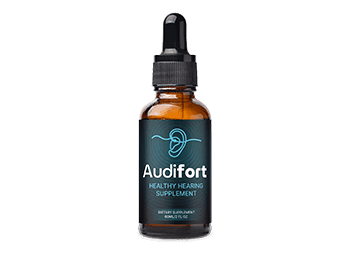
The bottom line
Honest answer: Audifort can't do what its sales page implies. No oral supplement restores hearing or cures tinnitus — that's settled. What a blend like Audifort can plausibly do is narrower: support healthy circulation toward the ears, supply antioxidants, and (via calming ingredients) make ringing feel less intrusive. Whether you 'notice anything' depends on realistic expectations and consistency over a month or two. The ingredients are sensible for the niche, the doses are hidden in a proprietary blend, and the 90-day guarantee is what makes testing it on yourself low-risk. Try it as support if you've ruled out anything that needs a doctor — not as a fix.
It's the question every honest buyer asks before paying for hearing drops: does Audifort really work? The sales page promises a lot; the truth is more measured. We weighed what the ingredients can realistically do, how long you'd have to wait to find out, and whether the offer is fair — so you can decide with clear eyes. (For the full breakdown, see our complete Audifort review.)
Does Audifort really work? The short answer
Here's the line most review sites won't write plainly: no oral supplement restores hearing or cures tinnitus. Most age-related hearing loss and chronic tinnitus come down to damage in the cochlea or auditory nerve, and you can't drink that back. So if "work" means fix your hearing, Audifort doesn't — and neither does any competitor.
What a blend like Audifort can plausibly do is narrower and more honest: support healthy blood flow toward the ears, supply antioxidants that help protect cells from oxidative stress, and — through calming ingredients like GABA — support the relaxation that makes ringing feel less intrusive. That's a support role. Whether you notice it depends entirely on keeping expectations at support level.
Do any tinnitus supplements really work?
Not as cures. As the American Tinnitus Association states, there is no FDA-approved drug or supplement that cures tinnitus, and roughly 10% of U.S. adults experience it, per the NIDCD. The ingredients in this category have, at best, modest support-level evidence — they target the environment around hearing and the stress around ringing, not the structural damage underneath. Audifort sits squarely in that reality. Anyone selling you a "70% success rate" or "hear perfectly again" is making it up.
What are the side effects of Audifort?
For most healthy adults the blend is generally well tolerated. Because it's a proprietary mix, the realistic cautions are the predictable ones: caffeine from green tea, possible stomach irritation from capsicum, and added drowsiness from GABA. If you take blood-pressure, blood-sugar, or sedative medication, or you're pregnant or nursing, check with your doctor before starting. New, sudden, or one-sided symptoms need a medical assessment, not a dropper.
Is Audifort FDA approved?
No — and no supplement is. The FDA approves drugs, not dietary supplements; it acts only after the fact if a product is unsafe or makes illegal disease claims. Audifort's "FDA-registered, GMP-compliant facility" line is about manufacturing standards, not proof that it works. Don't read it as an endorsement.
Want to test it yourself under the 90-day guarantee?
The refund window is what makes a personal trial low-risk — see the current price on the official page.
Realistic timeline: when (and if) you'd notice anything
If you try Audifort, judge it like an adult experiment, not a switch:
- Weeks 1–2: little to nothing. Herbal supports are cumulative.
- Weeks 3–6: the realistic window to notice subtle changes — calmer perception of ringing, a sense of routine support — if you're going to notice at all.
- By 8–12 weeks: you'll know whether it's doing anything worthwhile for you. If not, that's exactly what the 90-day money-back guarantee is for.
The single biggest mistake is quitting at day 5 or expecting a cure at day 90. Neither is the right frame.
Who it might help — and who should skip it
It might help if: you're generally healthy, you've already ruled out anything that needs a doctor or audiologist, and you want to support ear health and relaxation while keeping expectations realistic — backed by a guarantee that makes trying it low-risk.
Skip it if: you expect restored hearing or silenced tinnitus (those need medical care), or you want fully disclosed per-ingredient doses and third-party testing before you'll buy.
Verdict
Does Audifort really work? As a support supplement, plausibly and modestly — for some people, with realistic expectations and consistency. As a cure, no — and nothing in this category is. The honest reason to try it isn't a miracle mechanism; it's that the 90-day guarantee lets you test it on yourself at low financial risk. Compare it against the alternatives in our Audifort vs Cortexi vs Quietum Plus breakdown, and read the full Audifort review for everything else.
Sources
- American Tinnitus Association — ata.org: there is no FDA-approved cure for tinnitus.
- National Institute on Deafness and Other Communication Disorders (NIDCD) — Tinnitus: prevalence and what tinnitus is.
- Audifort official store (ClickBank) — ingredient list, pricing and the 90-day guarantee, verified at time of writing.
- See also our full Audifort review.
The verdict at a glance
What we liked
- Sensible antioxidant + circulation premise for ear health
- Calming ingredients (GABA) may ease the stress that makes ringing feel worse
- 90-day guarantee makes a personal trial genuinely low-risk
- Easy twice-daily sublingual routine to stay consistent
Keep in mind
- Does not restore hearing or cure tinnitus — no oral supplement does
- Proprietary blend hides exact doses, so potency is unverifiable
- Any benefit is gradual and subjective, not a guaranteed result
- Useless for damage that needs a doctor or audiologist
Frequently asked questions
Does Audifort really work?+
It depends what you mean by 'work.' If you expect it to restore hearing or silence tinnitus, no — no oral supplement does that. If you mean 'support ear health with antioxidants, circulation and a calming ingredient,' it's plausible but gradual and individual. Set support-level expectations, give it a consistent month or two, and use the 90-day guarantee if it does nothing for you.
Do any tinnitus supplements really work?+
None cures tinnitus — there is currently no FDA-approved drug or supplement that does. Some ingredients have modest support-level evidence (antioxidants, circulation aids, relaxation), but they address the experience around tinnitus, not the underlying cochlear or nerve damage. Treat all of them as support, and see a doctor for anything new, sudden, or one-sided.
How long until Audifort works, if it does?+
Herbal supports are gradual, not instant. If you try it, give it the first month or two of consistent twice-daily use before judging — which is exactly why the 90-day money-back window is useful for testing it without much financial risk.
What are the side effects of Audifort?+
For most healthy adults it's generally well tolerated. The realistic cautions: green tea adds some caffeine, capsicum can irritate sensitive stomachs, and GABA can add to drowsiness. Check with your doctor first if you take blood-pressure, blood-sugar or sedative medication, or are pregnant or nursing.
Is Audifort FDA approved?+
No supplement is 'FDA approved' — the FDA doesn't approve dietary supplements the way it approves drugs. Audifort is marketed as made in an FDA-registered, GMP-compliant facility, which is a manufacturing standard, not an endorsement of the hearing claims.
Our verdict: Audifort scores 6.8/10
A twice-a-day herbal drop blend (maca, grape seed, green tea, GABA & more) marketed for ear health and hearing support. Backed by a 90-day money-back guarantee, it's low-risk to try for yourself.
Advertising disclosure: we may earn a commission, at no cost to you.
These statements have not been evaluated by the Food and Drug Administration. This product is not intended to diagnose, treat, cure, or prevent any disease. Content is for informational purposes only and is not a substitute for advice from a qualified healthcare provider.

Written & tested by
Iorgen WildrikFounder & lead reviewer
Iorgen is the founder of pickvio and the reviewer behind its verdicts. A developer by trade with a low tolerance for marketing fluff, he digs into every product the site covers — reading the actual ingredient research and pressure-testing the marketing claims — and scores what genuinely holds up, so you can skip the hype and avoid wasting money.
Keep reading
ComparisonAudifort vs Cortexi vs Quietum Plus: Which Hearing Supplement Wins?
We compare Audifort, Cortexi and Quietum Plus on ingredients, delivery, side effects, price and guarantee — and name the hearing-support pick worth your money.
InvestigationAudifort Reviews and Complaints: What Customers Actually Say
An honest look at Audifort reviews and complaints — the common gripes (slow results, price), what Reddit says, side effects, and how the 90-day refund really works.
Buying GuideAudifort Side Effects: What to Know Before You Try It
Audifort side effects, safety and drug interactions explained — who should check with a doctor first, what mild effects users report, and the refund policy.