Does Pineal Guardian Really Work? An Honest Look at the Evidence
Can a botanical drop sharpen memory and focus? We weigh what Pineal Guardian's real nootropics can do, scrutinize the 'pineal decalcification' claim, and give a realistic timeline — plus the 365-day guarantee.
 Iorgen Wildrik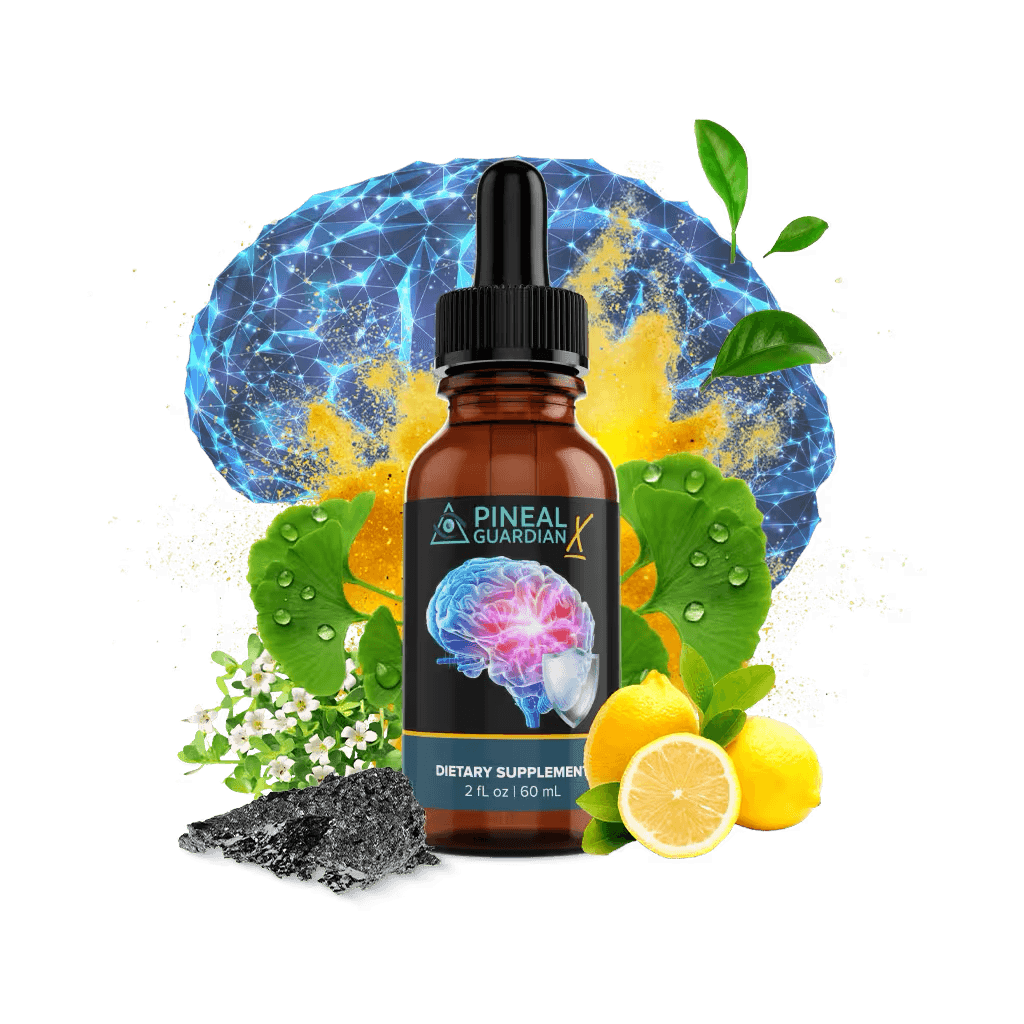
The bottom line
Honest answer: Pineal Guardian's real ingredients can plausibly support memory and focus — but the 'pineal detox' story it's sold on has no clinical support. The difference matters. Lion's Mane, Bacopa Monnieri and Ginkgo Biloba are genuine nootropics with human research at specific doses, so as gentle cognitive support the formula has a credible basis. What doesn't hold up is the marketing claim that it 'decalcifies' or 'detoxes' the pineal gland — no oral supplement is shown to do that. Add in ~3mg of melatonin, and part of what you feel may be improved sleep rather than a daytime brain boost. Judge it on the nootropics, expect gradual and modest effects, and lean on the 365-day guarantee to test it.
The marketing promises to "restore your memory" by detoxing your pineal gland. That's a big claim — so the fair question is simple: does Pineal Guardian actually work, and if so, why? The honest answer separates the real science from the mysticism. (For the full breakdown, see our complete Pineal Guardian review.)
Does this pineal gland supplement really work?
Start with the ceiling: no supplement restores memory or reverses cognitive decline — that's a medical matter. So the "memory restoration" framing oversells it.
What it can plausibly do is gentle cognitive support, because — unlike a lot of "brain" products — its disclosed ingredients are real nootropics:
- Lion's Mane — human research on memory and cognitive support
- Bacopa Monnieri — well-studied for memory and learning at dose
- Ginkgo Biloba — studied for circulation and cognition, especially in older adults
That's a credible basis for support — not the advertised breakthrough.
What has a negative effect on the pineal gland — and can a drop fix it?
The marketing claims things like fluoride "calcify" your pineal gland and that the product reverses it. Here's the honest version: the pineal gland does accumulate some calcium with age, but no oral supplement is clinically shown to decalcify it or "detox" fluoride from it. So the mechanism the product is sold on isn't established. The reasons to consider it are its nootropic botanicals, full stop.
The evidence behind each ingredient
The disclosed botanicals have genuinely different evidence weights:
- Strong-ish: Lion's Mane, Bacopa, Ginkgo (real human cognitive data at specific doses)
- Antioxidant support: pine bark, spirulina, chlorella, moringa, tamarind (general, not cognition-specific)
- Sleep: melatonin (~3mg) — an effective sleep aid, not a daytime nootropic
The catch across all of them: doses aren't fully disclosed, so you can't confirm each is present at its researched amount. That's the main limit on judging effectiveness.
Want to test it under the 365-day guarantee?
A full year refund makes a fair, multi-month trial low-risk — buy from the official store.
The 'pineal detox' claim vs. reality
To be crystal clear, because it's the heart of the sell: there is no clinical evidence that Pineal Guardian (or any supplement) detoxes or decalcifies the pineal gland. If that claim is the reason you're buying, that's the wrong reason. If the real nootropics are the reason, that's defensible.
How long before you'd notice anything?
- Days: the melatonin may help sleep fairly quickly (taken in the evening).
- Weeks 3–8: the realistic window for subtle cognitive support from the nootropics, if it comes.
- By ~3 months: you'll know whether it's worth continuing — and the 365-day guarantee covers far beyond that.
Realistic expectations: support, not restoration
Treat Pineal Guardian as gentle nootropic-plus-sleep support, not a memory cure. On that honest footing — real ingredients, modest expectations, a year-long refund — it has a defensible place. Expecting the advertised "restoration" via pineal detox is the path to disappointment.
Verdict
Does Pineal Guardian really work? As gentle cognitive and sleep support from genuine ingredients — plausibly and modestly. As the 'pineal detox memory restoration' it advertises — no, that mechanism isn't supported. The honest reasons to try it are real nootropics and the best guarantee in its class. Judge it on the ingredients, ignore the mysticism. For the complete picture, read the Pineal Guardian review, or compare it with our Neuro Serge review.
Sources
- Pineal Guardian official store (thepinealguardian.com / ClickBank) — disclosed ingredients, pricing and the 365-day guarantee, verified at time of writing.
- Human research on Lion's Mane, Bacopa Monnieri and Ginkgo Biloba for cognitive support (ingredient-level, dose-dependent).
- See also our full Pineal Guardian review.
The verdict at a glance
What we liked
- Real nootropics with human research — Lion's Mane, Bacopa, Ginkgo
- Melatonin can genuinely support sleep timing
- 365-day guarantee makes a long, fair trial low-risk
- Liquid format is easy to dose
Keep in mind
- The 'pineal decalcification / detox' mechanism has no clinical support
- Per-ingredient doses aren't fully disclosed
- Part of the effect may just be melatonin-driven sleep, not cognition
- Benefits are gradual and modest, not a 'restoration'
Frequently asked questions
Does Pineal Guardian really work?+
For gentle cognitive support, plausibly — its Lion's Mane, Bacopa and Ginkgo have real human research. For the advertised 'pineal detox / memory restoration,' no — that mechanism isn't supported. Expect modest, gradual support, judge it on the real ingredients, and use the 365-day guarantee to decide for yourself.
Does anything actually 'decalcify' the pineal gland?+
No oral supplement is clinically shown to decalcify the pineal gland or 'detox' fluoride from it. The pineal does calcify somewhat with age, but reversing that with a supplement isn't established. Treat the claim as marketing and focus on the product's real nootropic botanicals.
How long until Pineal Guardian works, if it does?+
Nootropic effects are gradual. Realistically, any memory or focus benefit would build over weeks of consistent use; the melatonin's sleep effect can be felt sooner. The 365-day guarantee comfortably covers a fair multi-month trial.
Is it just a melatonin sleep drop?+
Partly. With ~3mg melatonin, some of what users feel is likely better sleep, not a daytime cognitive boost. That's not a flaw — better sleep supports thinking — but it's honest to know the product is part nootropic, part sleep aid.
Our verdict: Pineal Guardian scores 6.0/10
A liquid brain-support tincture built on nine botanicals — Lion's Mane, Bacopa, Ginkgo and pine bark among them — plus a small dose of melatonin, marketed for memory, focus and sleep. Backed by a 365-day money-back guarantee, it's low-risk to try for yourself.
Advertising disclosure: we may earn a commission, at no cost to you.
These statements have not been evaluated by the Food and Drug Administration. This product is not intended to diagnose, treat, cure, or prevent any disease. Content is for informational purposes only and is not a substitute for advice from a qualified healthcare provider.

Written & tested by
Iorgen WildrikFounder & lead reviewer
Iorgen is the founder of pickvio and the reviewer behind its verdicts. A developer by trade with a low tolerance for marketing fluff, he digs into every product the site covers — reading the actual ingredient research and pressure-testing the marketing claims — and scores what genuinely holds up, so you can skip the hype and avoid wasting money.
Keep reading
ComparisonPineal Guardian vs Neuro Serge: Which Brain Supplement Wins?
Pineal Guardian vs Neuro Serge compared — real nootropics vs antioxidant botanicals, ingredients, guarantees and price. Which brain supplement is the honest pick?
ReviewPineal Guardian Reviews: Does This Brain Drop Actually Work?
An honest Pineal Guardian review — real ingredients, the 'pineal detox' claim scrutinized, side effects, complaints, price and the 365-day guarantee. Does this brain drop work?
 Review
Neuro Serge Review: Does This Brain Supplement Actually Work?
An honest Neuro Serge review — ingredients, side effects, complaints, pricing, and the 180-day guarantee. Does this brain support capsule actually deliver?