Purisaki Berberine Patches Review: Do They Actually Work?
Berberine has real research — taken as a 900–1,500mg oral dose. Purisaki delivers it through a skin patch instead, and that's the catch nobody covers honestly. We check whether a patch can deliver berberine, flag the refund fine print, and give the real verdict.
 Iorgen Wildrik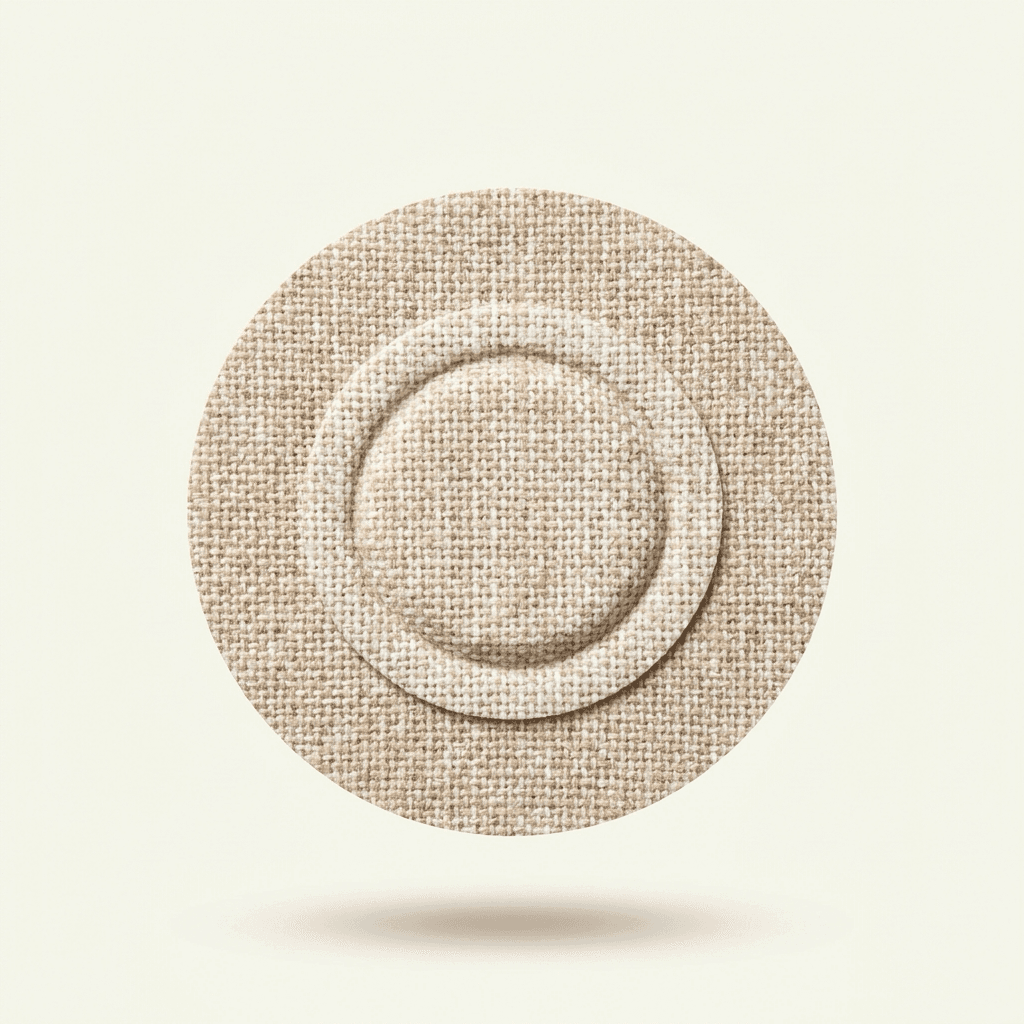
The bottom line
Purisaki sells berberine — a genuinely popular metabolism-and-appetite ingredient — but delivers it through a skin patch, and that's the catch almost no review covers honestly. Berberine's real research used oral doses of 900–1,500mg a day. A patch holds an estimated single-digit milligram amount, berberine is a charged molecule that doesn't pass easily through skin, and no one has published blood-level data showing the finished patch delivers a meaningful dose. So the most likely 'benefit' people report — slightly less snacking — may owe as much to mindfulness and placebo as to transdermal berberine. Add a refund that's only fully honored in a short initial window (despite a '60-day' headline) and a Subscribe & Save auto-billing model, and the honest verdict is: low-risk to feel, low-confidence to work. Appetite nudge possible; dramatic weight loss, no.
Berberine is everywhere right now — often called "nature's Ozempic." Purisaki rides that wave, but with a twist: instead of a capsule, it's a skin patch. That twist is the whole story, and it's the part the marketing carefully avoids. Here's the honest review. (For the deeper efficacy question, see do Purisaki berberine patches work?)
Compliance note: Purisaki is a support product for weight management as part of diet and exercise. It does not treat or cure diabetes or any disease, and nothing here is medical advice — never stop or change medication to use a supplement; talk to your doctor.
Do Purisaki berberine patches actually work?
The honest answer: the evidence is weak, and the delivery method is the reason. Berberine's genuine research used oral doses of 900–1,500mg/day. A patch holds an estimated single-digit milligrams, and that's before the real problem: berberine is a charged molecule that doesn't pass easily through skin. No one has published blood-level data showing the finished Purisaki patch delivers a meaningful dose.
So can it "work"? Some users report a mild appetite/craving reduction — but that may owe as much to mindfulness and placebo as to transdermal berberine. Dramatic weight loss is not typical. We dig into the science at do Purisaki berberine patches work?
What does the Purisaki berberine patch do?
It's marketed for appetite control, "blocking fat storage," and faster metabolism. The most consistently reported real-world effect is slightly less snacking in weeks 2–4. Treat that as a possible small nudge — not the "lose 5kg a month" the ads claim (those testimonial numbers are marketing, and individual results vary widely).
Can a patch really deliver berberine through your skin?
This is the question to anchor on. Some drugs are designed for transdermal delivery (nicotine, certain hormones) — small, fat-soluble molecules. Berberine is the opposite: charged, water-loving, poorly absorbed even orally. There's no published bioavailability data showing a berberine patch gets a useful amount into your bloodstream. Until that exists, the honest stance is skepticism — don't assume the patch equals a pill.
What's inside: ingredients and the missing dose
Beyond berberine, Purisaki names fucoxanthin, pomegranate oil, green tea, African mango and B vitamins — reasonable metabolism-adjacent ingredients in an oral context. But the same delivery problem applies, and crucially: the amount of berberine per patch isn't disclosed, and there's no published Certificate of Analysis. You're trusting an undisclosed dose delivered by an unproven route.
Purisaki side effects and skin reactions to know
Generally low-risk because little may be absorbed — but note: some users report skin irritation, marks or sores at the patch site. And berberine (orally) can interact with blood-sugar and other medications, so if you take any — especially diabetes medication — talk to your doctor first, and never adjust medication on your own.
Want to check the price and refund terms?
Buy only from the official store — and read the refund window and auto-delivery terms before ordering.
Price, the "60-day guarantee," and Subscribe & Save fine print
Two honest flags the offer page downplays:
- The "60-day guarantee" headline, but terms typically allow a full refund only within a short initial window (~14 days), with later returns possibly incurring fees, shipping non-refundable, and an RMA code required.
- It's sold as Subscribe & Save auto-delivery — so check whether you're enrolling in recurring billing.
Pricing runs roughly $34.99/pack (60 patches) down to $15.99/pack (180, best value) on the subscription tiers. Read the terms carefully and keep your order confirmation.
Purisaki vs Metabo Drops: patch or drops?
Both are "passive" weight-support formats. Purisaki is a berberine patch with unproven transdermal delivery; Metabo Drops is a tasteless coffee additive with real (if modest) oral metabolism actives. Neither replaces diet and exercise, but Metabo Drops at least uses a delivery route that works. Full breakdown in Purisaki vs Metabo Drops.
Honest verdict: who it's for (and who should skip it)
Consider it if: you want a no-pills, no-stimulant routine, you're realistic that any effect is likely a small appetite nudge (or placebo), and you'll read the refund/auto-billing terms carefully.
Skip it if: you expect real weight loss, you want a proven way to take berberine (an oral supplement is the evidence-backed route), or undisclosed doses and refund fine print are dealbreakers.
It's a convenient patch built on a good ingredient, delivered by an unproven method, wrapped in weight-loss hype. Low-risk to feel, low-confidence to work. For the science deep-dive, read do Purisaki berberine patches work?
Sources
- Purisaki official store (buy-purisaki.com / ClickBank) — patch positioning, pricing and refund terms, verified at time of writing.
- Research context on berberine's oral dosing (900–1,500mg/day) and on transdermal delivery limits for charged molecules (no published finished-patch bioavailability data).
- See also do Purisaki berberine patches work? and Purisaki vs Metabo Drops.
The verdict at a glance
What we liked
- Convenient — a daily patch, no pills to swallow
- Built on berberine, which has real ORAL research for metabolism/appetite
- Some users report modest appetite/craving reduction (weeks 2–4)
- No stimulant jitters; simple routine
Keep in mind
- Transdermal delivery of berberine is scientifically unproven
- Estimated ~8–9mg per patch vs 900–1,500mg oral clinical doses (~100x gap)
- Dose per patch isn't disclosed; no published blood-level data
- '60-day' guarantee, but full refunds typically only within ~14 days + auto-billing
Frequently asked questions
Do Purisaki berberine patches actually work?+
Honestly, the evidence is weak. Berberine's real research is on oral doses of 900–1,500mg a day; a patch holds an estimated few milligrams of a molecule that doesn't pass easily through skin, with no published blood-level data on the finished product. Some users report mild appetite/craving reduction, but that may owe a lot to mindfulness and placebo. Don't expect the dramatic weight loss the ads promise — and never use it in place of diet, exercise or medication.
What does the Purisaki berberine patch do?+
It's marketed to support appetite control and weight management. The most consistently reported real-world effect is slightly reduced snacking; meaningful, dramatic weight loss is not typical. Treat it as a possible small nudge alongside a sensible diet-and-exercise plan, not a fat-loss solution.
Can a patch really deliver berberine through your skin?+
That's the key unanswered question. Berberine is a charged quaternary-ammonium molecule with poor passive skin permeation, and no company has published bioavailability or blood-level data on a finished berberine patch. So while patches work for some drugs designed for transdermal delivery, there's no good evidence berberine is one of them. Be skeptical of any claim that the patch matches an oral dose.
Is Purisaki a scam?+
It's a real product, not an outright take-the-money scam — but it has real red flags: an unproven delivery method, an undisclosed dose, a refund that's fully honored only within a short window despite a '60-day' headline, Subscribe & Save auto-billing, and counterfeit lookalike sites. Buy only from the official store, read the refund terms, and check whether you're enrolling in auto-delivery.
Is it safe with my medication?+
Berberine can interact with blood-sugar and other medications. Never stop or change a prescribed medication to use a supplement, and talk to your doctor first if you take any — especially diabetes medication. This is support at most, not a treatment.
Our verdict: Purisaki Berberine Patches scores 5.0/10
Transdermal berberine 'weight-loss' patches you wear on the skin — built on a popular ingredient, but with an unproven delivery method and an undisclosed dose per patch. Backed by a 60-day money-back guarantee, it's low-risk to try for yourself.
Advertising disclosure: we may earn a commission, at no cost to you.
These statements have not been evaluated by the Food and Drug Administration. This product is not intended to diagnose, treat, cure, or prevent any disease. Content is for informational purposes only and is not a substitute for advice from a qualified healthcare provider.

Written & tested by
Iorgen WildrikFounder & lead reviewer
Iorgen is the founder of pickvio and the reviewer behind its verdicts. A developer by trade with a low tolerance for marketing fluff, he digs into every product the site covers — reading the actual ingredient research and pressure-testing the marketing claims — and scores what genuinely holds up, so you can skip the hype and avoid wasting money.
Keep reading
 Review
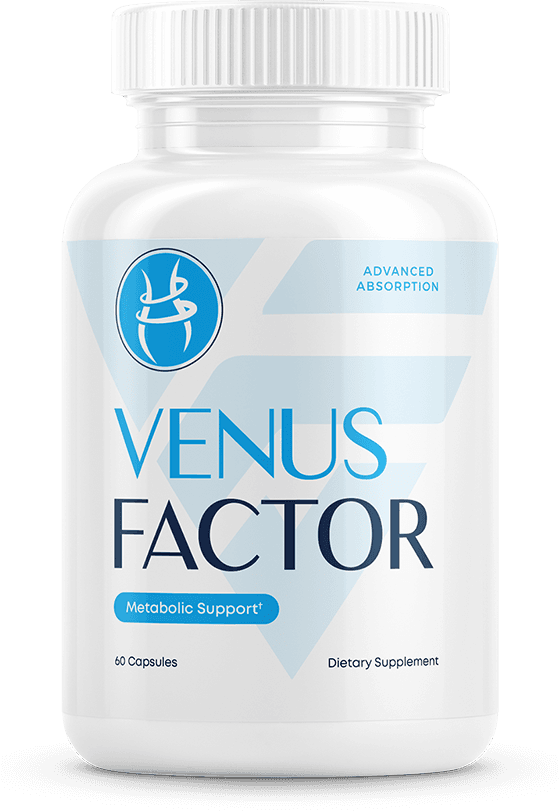
Venus Factor Review: An Honest Look at the Women's Leptin Formula
An honest Venus Factor review for women — is it a supplement or a program, what's in the leptin formula, real complaints, refunds, and who it suits.
 Review
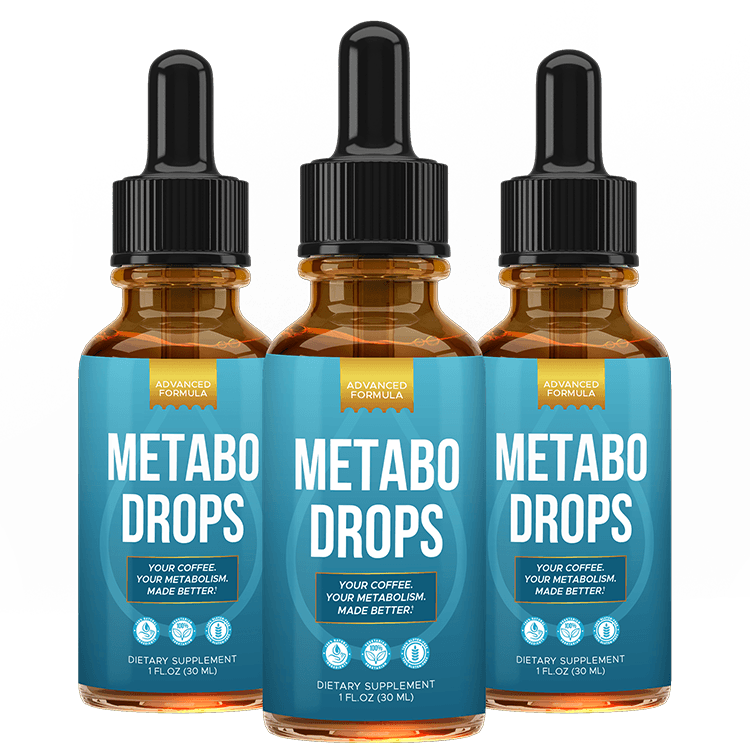
Metabo Drops Review: An Honest Look at the Coffee Metabolism Drops
An honest Metabo Drops review — what's really in the formula (chlorogenic acid, green tea, L-carnitine), the caffeine caveat, the 60-day guarantee, and who these coffee drops suit.
InvestigationDo Purisaki Berberine Patches Actually Work? An Honest Look
Do Purisaki berberine patches work? We weigh the transdermal-delivery science, oral vs patch dosing, the appetite-vs-weight-loss reality, and the refund terms — honestly.