Audifort Ingredients Explained: What's Actually Inside
A plain-English breakdown of Audifort's headline ingredients — grape seed, GABA, maca, green tea and more — what each is meant to do, the evidence behind it, and what the label won't tell you.
 Iorgen Wildrik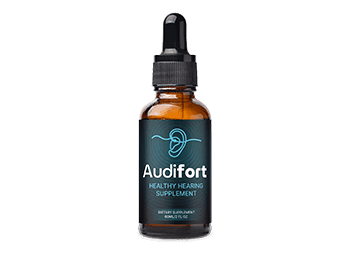
The bottom line
Audifort's headline ingredients are a sensible hearing-support shortlist — grape seed and green tea for antioxidants and circulation, maca and gymnema as traditional adaptogens, capsicum for a healthy inflammatory response, and GABA for relaxation. The premise is reasonable: feed the ears antioxidants and support blood flow. The honest catch is transparency — it's a proprietary blend, so you can't see how much of each ingredient you're actually getting, and there's no published third-party Certificate of Analysis. Good list, fair premise, undisclosed doses. Useful as support; not a mechanism that rebuilds hearing.
If you want to know what you're actually taking, this is the page: a plain-English breakdown of Audifort's ingredients — what each one is meant to do, how strong the evidence is, and what the label quietly leaves out. We're not here to relist the marketing; we're here to grade it. (For the full product verdict, see our complete Audifort review.)
Audifort ingredients at a glance
Audifort claims "over 20 ingredients," but only highlights a core shortlist. These are the ones doing the marketing work:

Grape Seed
- Antioxidants studied for protecting cells from oxidative stress
- Evidence: reasonable antioxidant literature
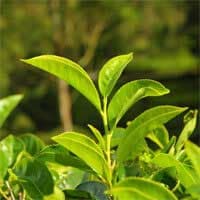
Green Tea
- Linked to healthy blood flow toward the ears
- Contains caffeine — note if you're sensitive
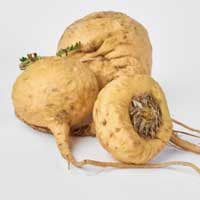
Maca Root
- Traditionally used for energy and stamina
- Evidence: mostly traditional use

Capsicum Annuum
- Tied to a healthy inflammatory response
- Evidence: modest, general
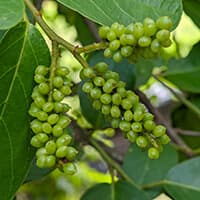
Gymnema Sylvestre
- Traditionally associated with hearing support
- Evidence: largely traditional

GABA
- Linked to relaxation and easing ear-ringing stress
- Evidence: plausible calming role
Where is Audifort made?
Audifort is marketed as made in the USA in an FDA-registered, GMP-compliant facility. That's a statement about manufacturing standards — hygiene, consistency, documentation — not a verdict on whether the formula helps your hearing. Don't read "FDA-registered facility" as "FDA-approved product." They're different things.
What is the best supplement for hearing loss? (Where Audifort fits)
Honestly: there isn't a "best supplement for hearing loss," because no supplement treats hearing loss. Age-related loss and most chronic tinnitus come from physical damage that nutrients can't reverse. Within the category of support supplements, Audifort's antioxidant-and-circulation formula is a reasonable example — but that places it alongside competitors like Cortexi and Quietum Plus, not above medical care. See how they compare in Audifort vs Cortexi vs Quietum Plus.
The key actives: grape seed, GABA, maca & green tea
The formula leans on two ideas:
- Antioxidants — grape seed and green tea are the headliners. The logic is that oxidative stress contributes to cellular wear in the ear, so antioxidant support is protective. This is the most evidence-backed part of the premise.
- Circulation + relaxation — green tea (blood flow), maca and gymnema (traditional adaptogens), capsicum (inflammatory response), and GABA (relaxation, which can make ringing feel less intrusive).
It's a coherent story. The weakness isn't the choice of ingredients — it's that several of them rest on traditional use rather than strong hearing-specific trials.
Want to see the full label and current pricing?
Check the official page for the complete ingredient list and the 90-day guarantee.
Does the formula actually help hearing?
Plausibly, in a support sense — antioxidants and circulation support are reasonable goals — but not as a cure or repair mechanism. The realistic ceiling is "supports ear health and relaxation," and even that is individual. If your real question is effectiveness, we dig into it in does Audifort really work?
Doses, transparency & what's missing
Here's the honest weak point. Audifort is a proprietary blend, so you get the ingredient names but not the amounts. That matters because an ingredient present in a trace amount does nothing — and you can't tell the difference from the label. There's also no published third-party Certificate of Analysis, which is the kind of independent verification that would build trust. Plenty of competitors hide doses the same way, so it's not unusually bad — but it's the main reason to keep expectations measured.
Verdict
Audifort's ingredient list is sensible for the niche — a fair antioxidant-and-circulation premise with a relaxation angle from GABA. What it's missing is transparency: undisclosed doses and no third-party testing. Treat the formula as support for ear health, not a repair kit, and you'll judge it fairly. For the full breakdown, read the Audifort review; for safety specifically, see Audifort side effects.
Sources
- Audifort official store (ClickBank) — highlighted ingredient list, proprietary-blend disclosure, manufacturing claims, verified at time of writing.
- National Institute on Deafness and Other Communication Disorders (NIDCD) — Hearing loss and tinnitus: why supplements don't reverse structural damage.
- See also our Audifort review and Audifort vs Cortexi vs Quietum Plus.
The verdict at a glance
What we liked
- Antioxidant + circulation premise is sensible for ear health
- Headline ingredients (grape seed, green tea) have real antioxidant literature
- GABA adds a plausible relaxation angle for ear-ringing stress
- Sublingual format is easy to take consistently
Keep in mind
- Proprietary blend — exact per-ingredient doses aren't disclosed
- No published third-party Certificate of Analysis
- Several ingredients rest on traditional use, not strong hearing trials
- Antioxidant support is not the same as restoring hearing
Frequently asked questions
What are the main ingredients in Audifort?+
Audifort says it contains 'over 20 ingredients,' but the ones it actually highlights are grape seed, green tea, maca root, capsicum annuum, gymnema sylvestre and GABA. The theme is antioxidants plus circulation support, with GABA added for relaxation. Exact doses aren't disclosed because it's a proprietary blend.
What is the best supplement for hearing loss?+
There isn't a supplement that treats or reverses hearing loss — that's a medical issue for a doctor or audiologist. Audifort and its competitors are support supplements: at best they supply antioxidants and support circulation. Judge them on that modest support role, not as a treatment, and get sudden or one-sided hearing changes assessed medically.
Where is Audifort made?+
Audifort is marketed as manufactured in the USA in an FDA-registered, GMP-compliant facility. That describes the manufacturing standard, not an FDA endorsement of the product's hearing claims.
Does the Audifort formula actually help hearing?+
The ingredients can plausibly support ear health (antioxidants, circulation) and relaxation — but 'support' is the operative word. No oral blend rebuilds the cochlea or auditory nerve. Set support-level expectations and give it consistent use over a month or two if you try it.
Are the ingredient doses disclosed?+
No. Audifort uses a proprietary blend, so you see the ingredient names but not the amount of each. There's also no published third-party Certificate of Analysis. That's common in this category, but it means you can't verify whether any single ingredient is present at a meaningful dose.
Our verdict: Audifort scores 6.8/10
A twice-a-day herbal drop blend (maca, grape seed, green tea, GABA & more) marketed for ear health and hearing support. Backed by a 90-day money-back guarantee, it's low-risk to try for yourself.
Advertising disclosure: we may earn a commission, at no cost to you.
These statements have not been evaluated by the Food and Drug Administration. This product is not intended to diagnose, treat, cure, or prevent any disease. Content is for informational purposes only and is not a substitute for advice from a qualified healthcare provider.

Written & tested by
Iorgen WildrikFounder & lead reviewer
Iorgen is the founder of pickvio and the reviewer behind its verdicts. A developer by trade with a low tolerance for marketing fluff, he digs into every product the site covers — reading the actual ingredient research and pressure-testing the marketing claims — and scores what genuinely holds up, so you can skip the hype and avoid wasting money.
Keep reading
ComparisonAudifort vs Cortexi vs Quietum Plus: Which Hearing Supplement Wins?
We compare Audifort, Cortexi and Quietum Plus on ingredients, delivery, side effects, price and guarantee — and name the hearing-support pick worth your money.
InvestigationDoes Audifort Really Work? An Honest Look at the Evidence
Does Audifort really work for tinnitus and ear health? We weigh the ingredient science, realistic timelines, side effects and the 90-day guarantee — honestly.
InvestigationAudifort Reviews and Complaints: What Customers Actually Say
An honest look at Audifort reviews and complaints — the common gripes (slow results, price), what Reddit says, side effects, and how the 90-day refund really works.